News
Anna Grigoryan new representative of the EPS Young Minds in EPJ Scientific Advisory Committee (SAC)
- Details
- Published on 24 March 2026

The Steering Committee of EPJ is delighted to welcome Anna Grigoryan, as the representative of the EPS Young Minds which joined the Scientific Advisory Committee two years ago. She is replacing Carlos Damián Rodríguez Fernández.
The scientific community is pleased to highlight Anna Grigoryan, a PhD student and researcher in experimental nuclear physics at the A.I. Alikhanyan National Science Laboratory (Yerevan, Armenia), where she works within the Experimental Physics Division. Anna is currently pursuing her PhD, focusing on nucleon structure and spin phenomena in semi-inclusive deep inelastic scattering. Her research is centered on the study of dihadron production and beam-helicity asymmetries using data from the HERMES experiment at DESY, contributing to a deeper understanding of the three-dimensional structure of the nucleon. She is a member of the Structure and Spectroscopy of Hadrons Project (SHARP) COST Action, as well as a member of EPS Technology and Innovation Group (EPS TIG). In addition to her research activities, Anna Grigoryan is actively involved in scientific outreach and community leadership. She is a member of the EPS Young Minds Action Committee and has contributed significantly to the organization of international masterclasses and physics events in her local institution, promoting education and engagement in particle and nuclear physics.
EPJ Web of Conferences Highlight – 18th European Workshop on Modern Developments and Applications in Microbeam Analysis
- Details
- Published on 20 March 2026
The 18th Workshop of the European Microbeam Analysis Society (EMAS) on Modern Developments and Applications in Microbeam Analysis took place in Mataró, Spain from 11-15 May 2025.
The EMAS European Workshops have been organized every second year since its beginning in 1989 (with the exception of 2021), with the primary aim of evaluating the state-of-the-art and reliability of microbeam analysis techniques.
Farewell Antonino Zichichi
- Details
- Published on 18 March 2026
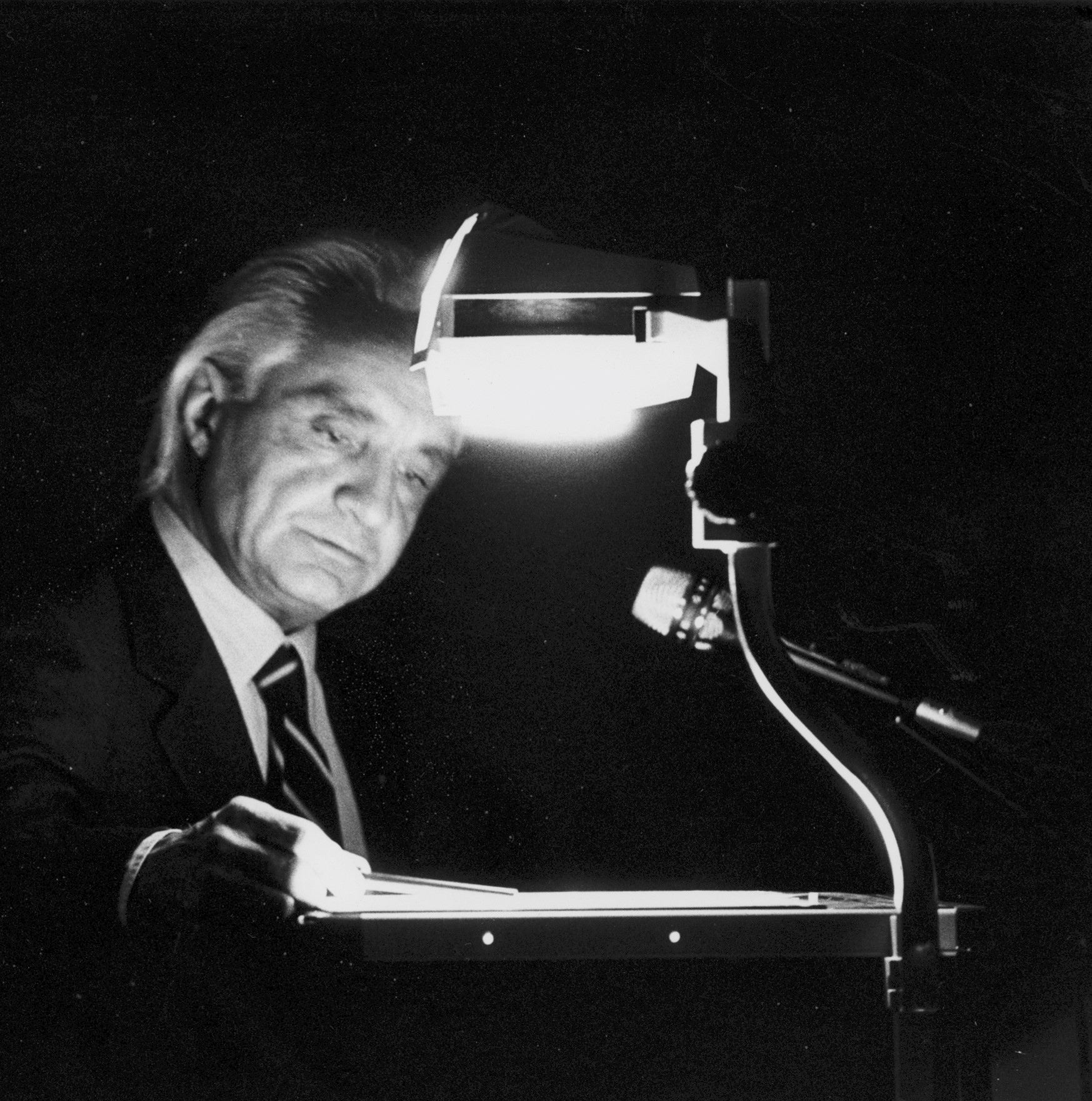
Professor Emeritus at the University of Bologna, Member of the Pontifical Academy of Sciences, the Academia Europaea and the Academy of Sciences of the Institute of Bologna, and founder of the "Ettore Majorana" Centre for Scientific Culture in Erice, he held numerous prominent roles in the international scientific community. These included President of the Italian National Institute for Nuclear Physics (INFN), the "Enrico Fermi" Historical Museum of Physics and Study and Research Centre, the European Physical Society, the World Federation of Scientists, and the World Laboratory. For the full obituary we refer to Antonino Zichichi (1929-2026).
When in 1999 Zeitschrift für Physik A and C as well as Il Nuovo Cimento A merged to form The European Physical Journal A and C (EPJA and EPJC), Prof. Zichichi became Editor-in-Chief of EPJC alongside Peter Zerwas and Dieter Haidt. He promoted the new journal, in particular to young scientists at the occasion of the Young Talent Sessions at his Erice schools, and pioneered together with his co-Editors-in-Chief the introduction of “scientific notes” as article type for experimental groups to bridge the gap between the final years of LEP and the uptake of LHC operations.
Luisa Cifarelli & Dieter Haidt
EPJ Plus Highlight - Image processing brings new clarity to RTe3’s electronic structure
- Details
- Published on 05 March 2026
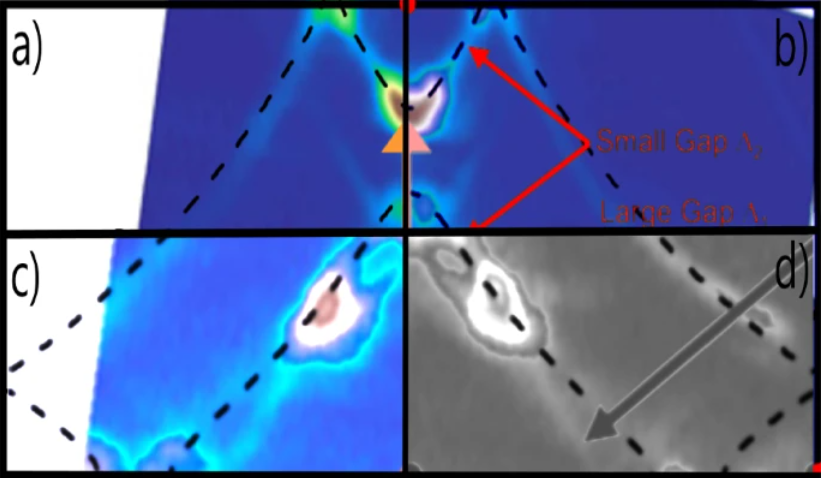
By applying image segmentation to ARPES data, researchers reconcile Fermi surface measurements with magnetic quantum oscillations and precisely determine the size of tiny electron pockets in rare-earth tritellurides.
Rare-earth tritellurides (RTe₃) are a class of two-dimensional quantum materials known for their diverse electronic properties. One of the most powerful tools for studying them is angle-resolved photoemission spectroscopy (ARPES), which probes the allowed energies and momenta of electrons in solids. Despite its strengths, conventional ARPES methods are not well suited to producing fully accurate two-dimensional momentum maps, limiting researchers’ view of the complex electronic landscape these materials host.
In new research published in EPJ Plus, a team led by Alexander Morocho and supervised by Prof. Pavel D. Grigoriev at the National University of Science and Technology (MISiS), Moscow, demonstrates how this limitation can be overcome through careful image processing of ARPES data combined with comparisons to magnetic quantum oscillations. Their results could help physicists better understand the origins of exotic quantum effects in RTe₃ compounds, possibly paving the way for new applications.
EPJ Plus Focus Point: Nuclear microprobe technology and applications
- Details
- Published on 05 March 2026
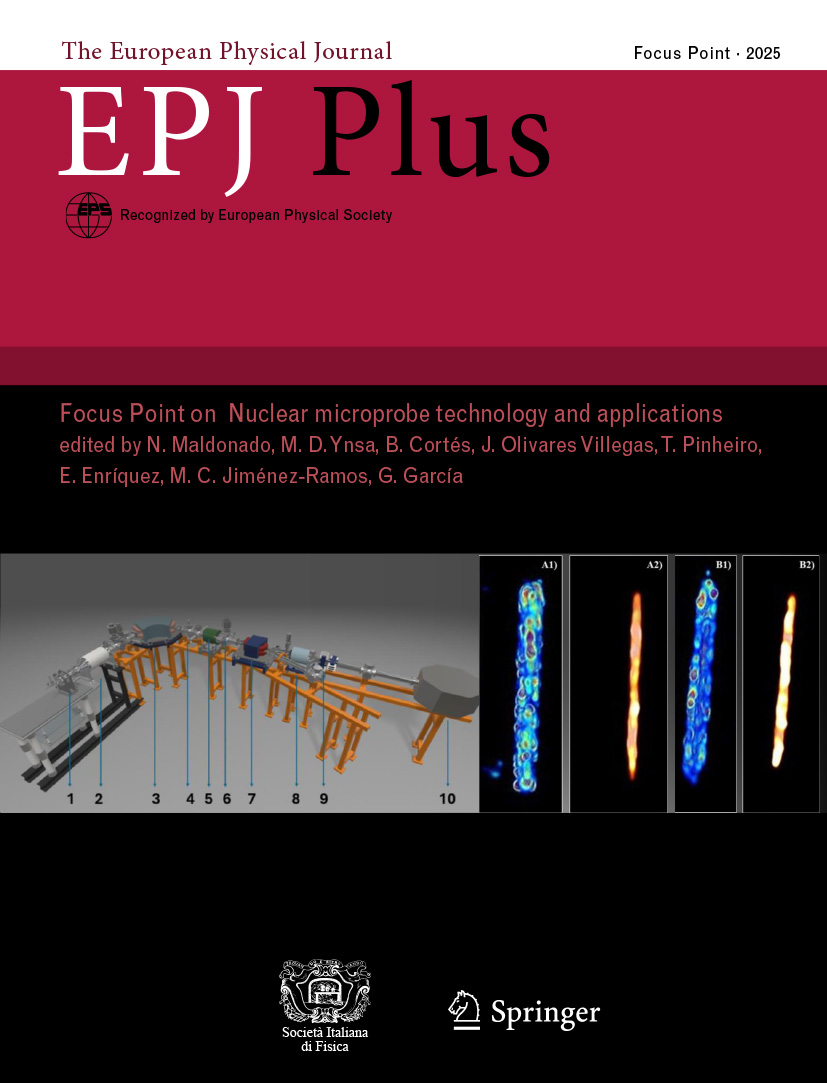
Guest Editors: Noelia Maldonado, María Dolores Ynsa, Belén Cortés, José Olivares Villegas, Teresa Pinheiro, Esther Enríquez, M. Carmen Jiménez-Ramos, Gastón García
This Focus Point issue includes 19 papers showcasing the diversity and innovation within the nuclear microprobe community, ranging from microelectronic radiation testing and ion-beam-induced charge microscopy to advances in microbeam systems, quantum device fabrication, and biomedical applications. The contributions originate from the 19th International Conference on Nuclear Microprobe Technology and Applications (ICNMTA2024), which was held at the Auditorium of the Faculty of Medicine, Universidad Autónoma de Madrid in June 2024.
All articles are available here and are freely accessible until 23 April 2026. For further information, read the Editorial.
EPJ Plus Focus Point: CBRNE events: prevention, mitigation, consequences and recovery
- Details
- Published on 04 March 2026
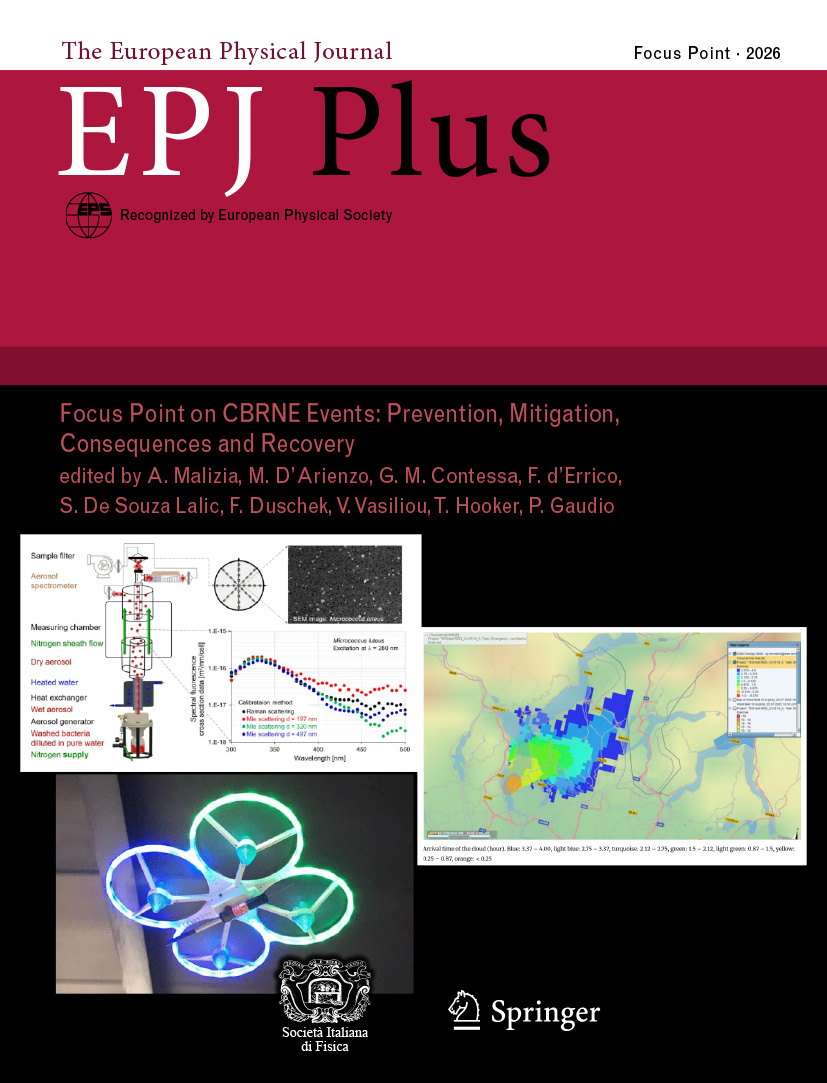
Guest Editors: Andrea Malizia, Marco D’Arienzo, Gian Marco Contessa, Francesco d’Errico, Susana de Souza Lalic, Frank Duschek, Vasilis Vasiliou, Antony M. Hooker, Pasquale Gaudio
CBRNE (Chemical, Biological, Radiological, Nuclear and Explosive) events remain among the most complex and disruptive threats facing contemporary societies, demanding integrated scientific and technological responses across multiple domains. This Focus Point of The European Physical Journal Plus brings together a curated collection of contributions that address the entire CBRNE risk-management cycle, from prevention and early detection to impact assessment, emergency response, and recovery. The articles highlight advances in radiation and nuclear detection, chemical and biological sensing, aerosol science, forensic analysis, and high-fidelity modelling, alongside innovative approaches in decontamination, responder protection, digital governance, and critical-infrastructure resilience. Particular attention is given to field-deployable technologies, UAV-based sensing platforms, decision-support tools, and scenario-based modelling frameworks that bridge research and operational practice. By integrating physics, engineering, biosciences, and digital technologies, this Focus Point provides a multidisciplinary and operationally relevant perspective on CBRNE preparedness and resilience. It offers researchers, practitioners, and decision-makers scientifically robust insights and scalable solutions to address non-conventional threats in an increasingly interconnected world.
All articles are available here and are freely accessible until 23 April 2026. For further information, read the Editorial.
EPJ Plus Highlight - GEMINI: Suppressing seismic noise for future gravitational-wave detectors
- Details
- Published on 04 March 2026
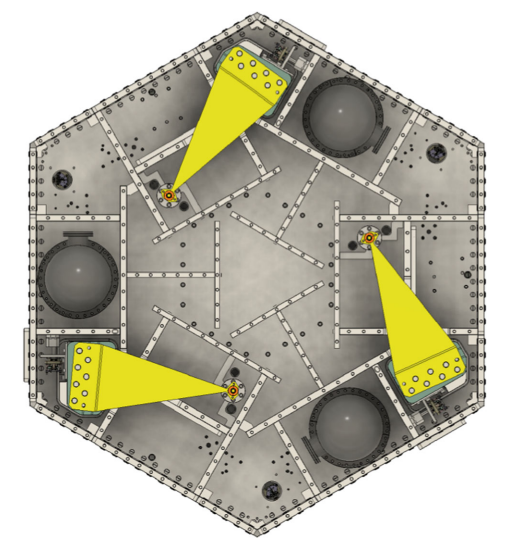
By refining seismic isolation and control strategies deep underground, GEMINI aims to unlock the low-frequency frontier of gravitational-wave astronomy
Since the first observation of gravitational waves in 2015, detectors including LIGO, Virgo, and KAGRA have analysed numerous ripples in the fabric of spacetime, pushing our understanding of astronomy and fundamental physics to new limits. However, the capabilities of these existing ground-based detectors have been constrained by seismic noise: ambient seismic vibrations in the Earth’s crust that overlap with the frequencies of gravitational waves below around 10 Hz. So far, this has made it difficult for researchers to distinguish this noise from genuine low-frequency gravitational-wave signals.
Through a new study published in EPJ Plus, a team led by Tomislav Andric at the Gran Sasso Science Institute explores the future potential of GEMINI: a cutting-edge underground testbed dedicated to seismic isolation and control technologies. Their study provides a valuable roadmap for planned next-generation detectors, including the Einstein Telescope and the Lunar Gravitational-Wave Antenna (LGWA) – possibly paving the way for a new wave of astronomical discoveries.
Igor Jex joins the EPJ Scientific Advisory Committee (SAC)
- Details
- Published on 03 March 2026
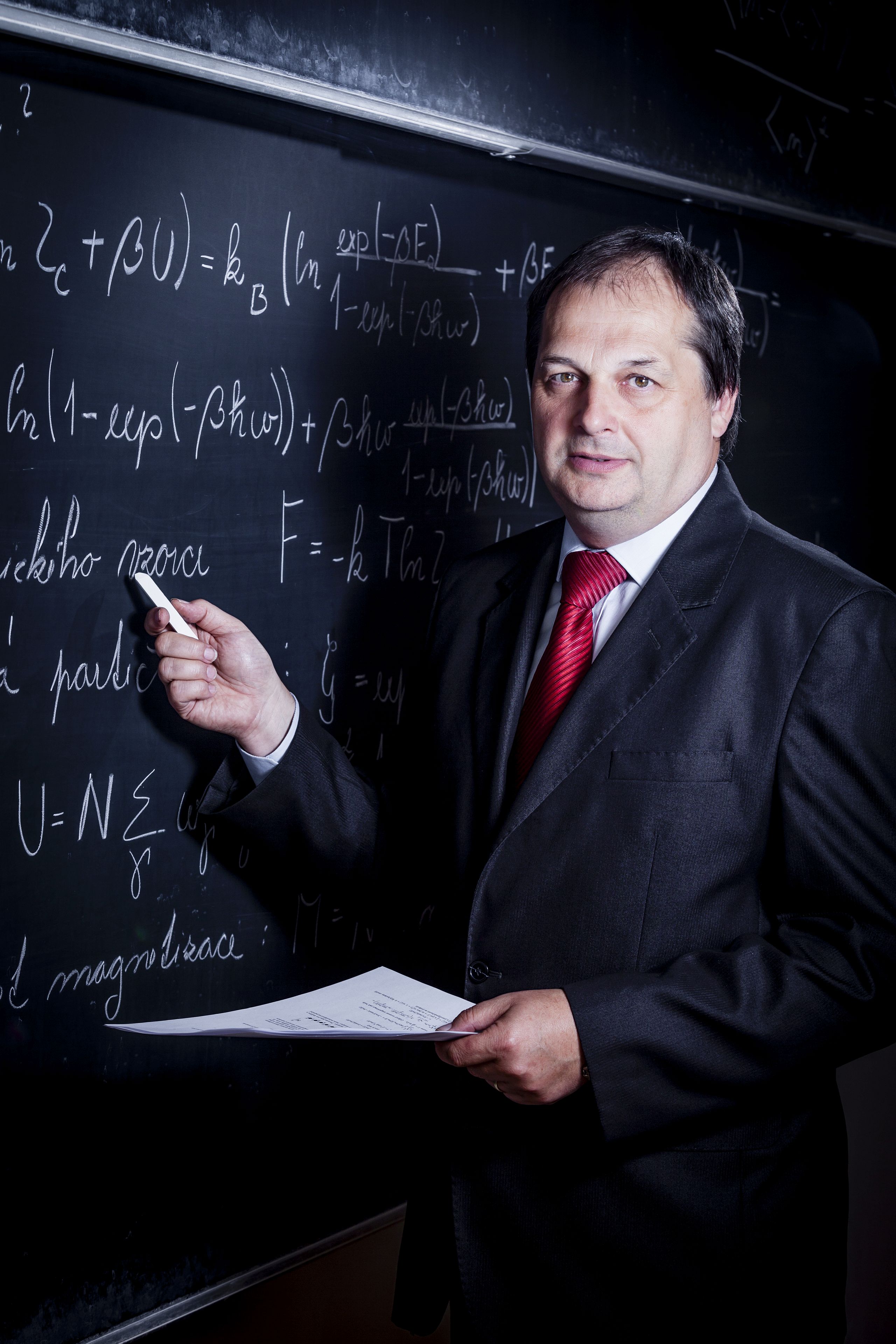
The Steering Committee of EPJ is delighted to welcome Professor Igor Jex, as the new representative of the Czech Physical Society.
Igor Jex is Professor at the Czech Technical University in Prague, Faculty of Nuclear Sciences and Physical Engineering, fellow member of Institute of Physics (Bristol), Optical Society of America and Academiae Europeae. His expertise covers a broad range of topics from quantum optics to quantum information processing. In the last years, his theoretical work focused on open systems dynamics, Gaussian boson sampling, quantum walks application of optical networks. Some of his theoretical suggestions lead to experiments. He is interested also in philosophical implications of physics.
EPJ Web of Conferences Highlight - RFPPC2025 – 25th Topical Conference on Radio-Frequency Power in Plasmas
- Details
- Published on 03 March 2026
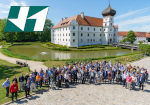
The 25th Topical Conference on Radio-Frequency Power in Plasmas brought together 126 experts from around the world to Schloss Hohenkammer, Germany, from May 19 to 22, to discuss advances in the theory and experimentation of radio-frequency and microwave power in plasmas.
The 25th Topical Conference on Radio-Frequency Power in Plasmas was organised by the Max Planck Institute for Plasma Physics in Garching, Germany, and was sponsored by SPINNER GmbH. Scientific topics in the conference program covered fundamental plasma wave physics, RF and microwave heating, current drive, diagnostics, high-power wave sources and antennas, materials processing, and waves in ionospheric and space plasmas.
New EPJ Plus Section: Radiation Physics and CBRNe Science
- Details
- Published on 03 March 2026
EPJ Plus is proud to announce the launch of a new section “Radiation Physics and CBRNe Science” established to provide a unified scientific platform where radiation physics and CBRNe science are equally represented as complementary and interdependent domains.
Within this integrated framework, the section aims to host high-quality research that advances fundamental understanding, technological innovation, and operational preparedness across all chemical, biological, radiological, nuclear, and explosive (CBRNe) dimensions, with radiation physics standing alongside chemical, biological, and explosive sciences as a core component of integrated risk management. In this context, the section provides a dedicated platform for studies addressing radiation-related phenomena across the entire electromagnetic spectrum, ranging from routine exposures in medicine, industry, energy, and research to accidental or intentional releases of radiological and nuclear materials in complex emergency and security scenarios.
Beyond original research articles, the section also welcomes progress reports, roadmaps and white papers, technical documents, and protocols as well as tutorials and reviews. Contributions may also take the form of perspectives and position papers, case studies, and lessons-learned analyses or validation and intercomparison studies.
By establishing “Radiation Physics and CBRNe Science” as a new section, EPJ Plus affirms its commitment to interdisciplinary research that bridges physics, engineering, life sciences, and security domains while fostering a community of researchers and practitioners working at the frontier of non-conventional risk science.
For more details please read this Editorial written by the Managing Editors of this new section, Gian Marco Contessa (Italian National Institute of Health, Rome, Italy) and Andrea Malizia (Department of Biomedicine and Prevention, University of Rome Tor Vergata, Rome, Italy).